

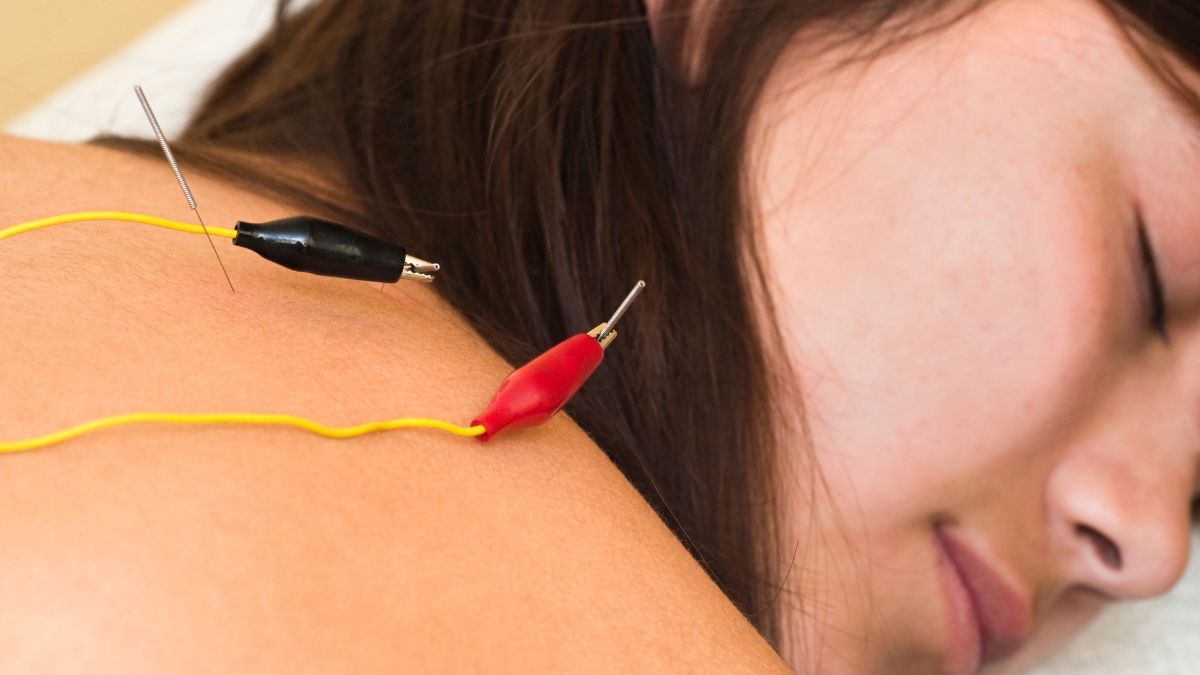
What should you expect after a Neuropuncture session? For many patients, the answer is not dramatic discomfort or a confusing recovery period. It is usually a short window of adjustment in which the body may feel looser, calmer, slightly tired, mildly sore, or gradually more responsive over the rest of the day. Because Neuropuncture is a neuroscience-based acupuncture approach that commonly incorporates electroacupuncture, some patients also notice light tingling, heaviness, or a “worked on” feeling in the treated area rather than a sharp or alarming sensation.
That is why the better question is not simply whether you will feel immediate relief or whether you will feel nothing at all. The better question is what kinds of post-treatment responses are considered normal, what those responses may mean in context, and how to tell the difference between a routine adjustment period and something that deserves follow-up with your practitioner. A realistic expectation is that some people feel better right away, some feel the change later that day or the next morning, and some notice progress more gradually across a series of visits rather than after one session alone.
This guide explains what many patients notice after a Neuropuncture visit, why mild temporary reactions can happen, how long early effects may last, what simple aftercare habits can help, and when it makes sense to check back in with your practitioner. It also helps frame Neuropuncture realistically as a targeted treatment approach rather than a one-visit shortcut or something you are supposed to judge too quickly.
Why Post-Treatment Expectations Matter With Neuropuncture
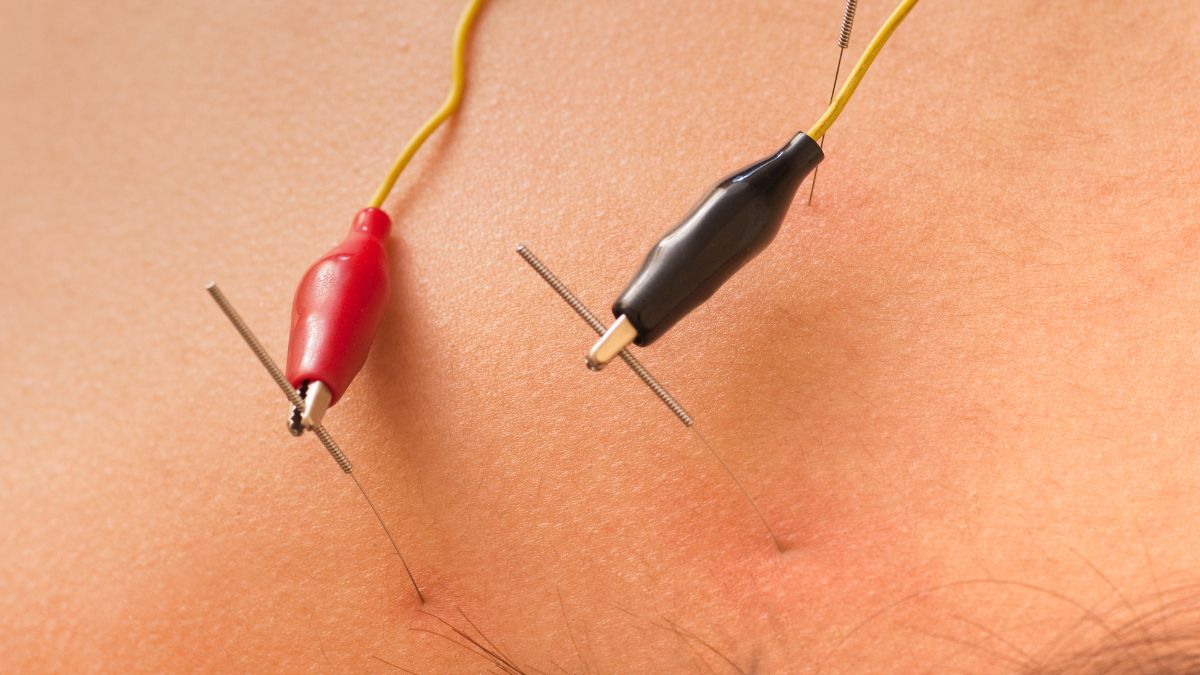
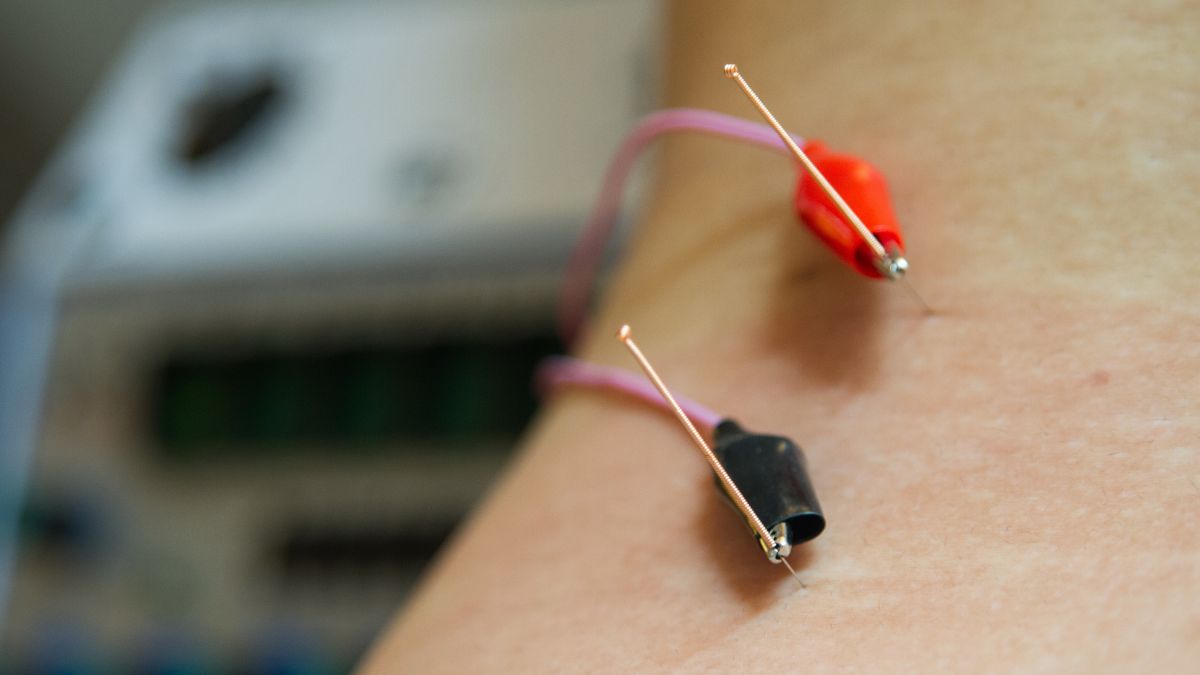
Neuropuncture is often described as a neuroscience-based acupuncture system, and the patient experience may include features associated with electroacupuncture. During treatment, some patients feel a light tingling, tapping, buzzing, or heaviness rather than anything severe or painful. Because the session is designed to stimulate the nervous system in a more targeted way, some patients notice that the body feels different after treatment even if the change is subtle at first.
That matters because many people come in with the wrong expectation. They either assume they should jump off the table feeling completely fixed, or they worry that any sensation afterward means something went wrong. In reality, a thoughtful session often creates a short transition period. Your nervous system, muscles, and irritated tissues may need time to respond, especially if the problem has been present for a while or has been reinforced by tension, guarding, compensation, or repetitive strain.
What Many People Feel Right After A Session
One of the most common things patients notice after acupuncture is a calmer overall state. Some people prefer to rest briefly after treatment and take it easy for the rest of the day. That does not mean everyone feels sleepy, but some patients do feel more relaxed, quieter, or less physically guarded right after a visit.
Relaxed Or Slightly Tired
A relaxed or mildly tired feeling after Neuropuncture is often not a bad sign. In some patients, it reflects that the body has shifted out of a more tense or defensive state. If you came in with nerve irritation, muscular guarding, high stress, or chronic tension, feeling more settled afterward may simply mean the session had enough effect that your body is no longer bracing the same way it was before treatment.
Looser Or Less Guarded
Some patients stand up and immediately notice that the treated area feels looser, easier to move, or less stuck. That does not always mean the issue is fully resolved. It may mean there is a useful window where the body feels less restricted. In many pain or mobility cases, even partial reduction in guarding can matter because it makes walking, sitting, turning, or stretching feel more manageable.
Mild Tingling Or A Worked-On Feeling
Because electroacupuncture commonly produces tingling or tapping sensations during treatment, it is not unusual for some people to notice a temporary “worked on” feeling afterward in the same general region. Mild localized awareness is different from alarming pain. The sensation should not feel extreme, and it often settles as the day goes on.
Why Mild Soreness Can Happen
Patients sometimes worry if they feel a little sore after a session, especially if the treated area was already sensitive before they arrived. Mild soreness is one of the more common temporary reactions after acupuncture. In practical terms, this usually means mild and temporary local sensitivity rather than a true setback.
That type of soreness can be more noticeable when the area treated was already irritated, tight, neurologically sensitive, or holding a lot of tension. It can also happen when the treatment target involves muscles or tissues that have been locked up for a while. Many patients describe it less as pain and more as a temporary awareness that something therapeutic happened in the area.
Why Relief Does Not Always Show Up Immediately
One of the biggest mistakes patients make is judging the entire value of treatment too quickly. Some people feel change quickly, while others improve more gradually over multiple sessions.
If you do not feel dramatic relief the second you get off the table, that does not automatically mean the session failed. Some cases need repetition because the body has been stuck in the same pain or tension pattern for a long time. A chronic nerve-related or musculoskeletal issue often responds in layers. The first visit may reduce reactivity. The next may improve movement. Another may help the improvement last longer. Progress is often more meaningful when you measure it in practical terms such as better sleep, less tension, fewer flare-ups, or easier daily movement.
What A Delayed Response Can Look Like
Not all responses happen in the office. Some patients feel best later that day. Others notice the biggest change the next morning. A delayed response can look like less morning stiffness, fewer spasms, easier neck or back rotation, less radiating discomfort, or simply a sense that the body is not fighting itself as much as before. This kind of response is especially common when the treatment goal is to reduce irritation and help the nervous system quiet down rather than just create an immediate sensation.
For that reason, it is usually smarter to pay attention for the next 24 hours than to make an instant judgment in the parking lot. Some people notice that they were not pain-free immediately, but later realize they drove more comfortably, slept better, or moved more easily afterward. Those changes count.
Simple Ways To Support The Session After You Leave
Aftercare does not have to be complicated. The main goal is to give the body a chance to respond well to the session instead of overwhelming it right away.
Give Yourself A Little Recovery Space
If possible, avoid treating the session like something to rush out of and immediately override with a high-stress schedule. A little space after treatment often helps you notice how your body is actually responding. Even ten quiet minutes can be useful.
Hydrate And Eat Normally
Many patients simply do better when they stay hydrated and avoid arriving at or leaving treatment completely depleted. You do not need an elaborate recovery ritual. You just want your body in a stable enough state to respond well.
Use Improvement Wisely
If the area feels better, do not immediately test it with excessive activity, aggressive workouts, or poor mechanics. One of the most common mistakes after a helpful pain treatment is doing too much too soon just because the body finally feels more open. It is usually better to use the improvement as a chance to move more normally and more intelligently, not recklessly.
What Usually Counts As A Normal Mild Reaction
In most cases, normal mild reactions after acupuncture include temporary soreness, small amounts of bruising or pinpoint bleeding, mild fatigue, a calming effect, or a short-lived lightheaded feeling.
The important point is proportion. Mild and temporary is very different from severe and escalating. If the area feels a little tender, slightly heavy, or more noticeable for a short period, that can fall within the range of normal adjustment. If something feels clearly wrong, intense, or persistent, that is when follow-up matters.
When You Should Contact The Practitioner
Neuropuncture is generally well tolerated when performed correctly, but proper delivery still matters.
Symptoms That Deserve Follow-Up
Examples would include pain that feels significantly worse rather than mildly sore, symptoms that keep escalating instead of settling, or a reaction that feels unusual enough that you are worried about it. The safest approach is not to guess. Reach out and ask. A good practitioner would rather hear from you early than have you sit with uncertainty.
Medical Red Flags Still Matter
Neuropuncture can be part of supportive care, but it should not be used to ignore symptoms that deserve medical attention. If you are dealing with severe or progressive neurological symptoms, serious weakness, unexplained new symptoms, or an urgent medical issue, standard medical evaluation comes first.
How To Judge Whether The Session Helped
The best way to judge a Neuropuncture session is usually not by asking one dramatic question such as “Did everything disappear instantly?” A better method is to look at whether the session changed the pattern in a useful way. Did the pain intensity drop even slightly? Did the area feel less guarded? Was movement easier? Was there less tingling, pulling, or spasm? Did you sleep better? Did you tolerate work, sitting, walking, or exercise more comfortably?
These are often more meaningful markers than chasing a perfect before-and-after moment. In pain and nerve-related care, progress often shows up as less reactivity and better function before it shows up as complete resolution.
Why Follow-Up Planning Matters
One session can be helpful, but many patients benefit most when treatment is part of a structured plan rather than a one-time experiment. Best Acupuncture OC lists Neuropuncture among its core services and also offers related supportive therapies such as Trigger Point Therapy, Cupping Therapy, Gua Sha, and Chinese Medicine, which suggests that care can be built around the pattern rather than forced into one method alone.
That matters because what happens after the session is only part of the story. The bigger question is whether the treatment plan makes sense for the type of symptoms you have, how long they have been present, and what kind of progress you are looking for over time.
What To Expect In Practical Terms
If you want the most practical answer possible, here it is. After a Neuropuncture session, many patients can expect one or more of the following: a calmer overall feeling, mild tiredness, some temporary local soreness, a looser or less guarded area, improvement later the same day or the next day, or a more gradual response across repeated visits. What you usually should not expect is a harsh recovery, severe post-treatment pain, or a chaotic reaction when the treatment is performed appropriately and tailored well.
The key is to think in terms of response, not instant perfection. A good session often creates a useful shift. Sometimes that shift is obvious. Sometimes it is subtle at first. Either way, the most valuable expectation is realistic observation rather than rushing to label the treatment too quickly.
Neuropuncture Care At Best Acupuncture OC
If you are considering Neuropuncture in Orange County and want a treatment approach that is thoughtful, individualized, and grounded in the way your symptoms actually present, Best Acupuncture OC offers Neuropuncture as part of its broader care model. The clinic also lists services including Trigger Point Therapy, Cupping Therapy, Gua Sha, Chinese Medicine, Cosmetic Acupuncture, and Microneedling. You can call (949) 867-0150 to learn more.
Schedule A Consultation
If you want to find out whether Neuropuncture may be a good fit for your symptoms and what a realistic treatment plan might look like, you can learn more through the Neuropuncture page, explore additional options on the Services page, or book directly through Schedule An Appointment.
Medical Note: This article is for educational purposes only and does not replace professional medical advice, diagnosis, or treatment. If you have a pacemaker, are pregnant, or develop symptoms that seem unusual or severe after treatment, discuss that promptly with your practitioner and seek medical care when appropriate.