

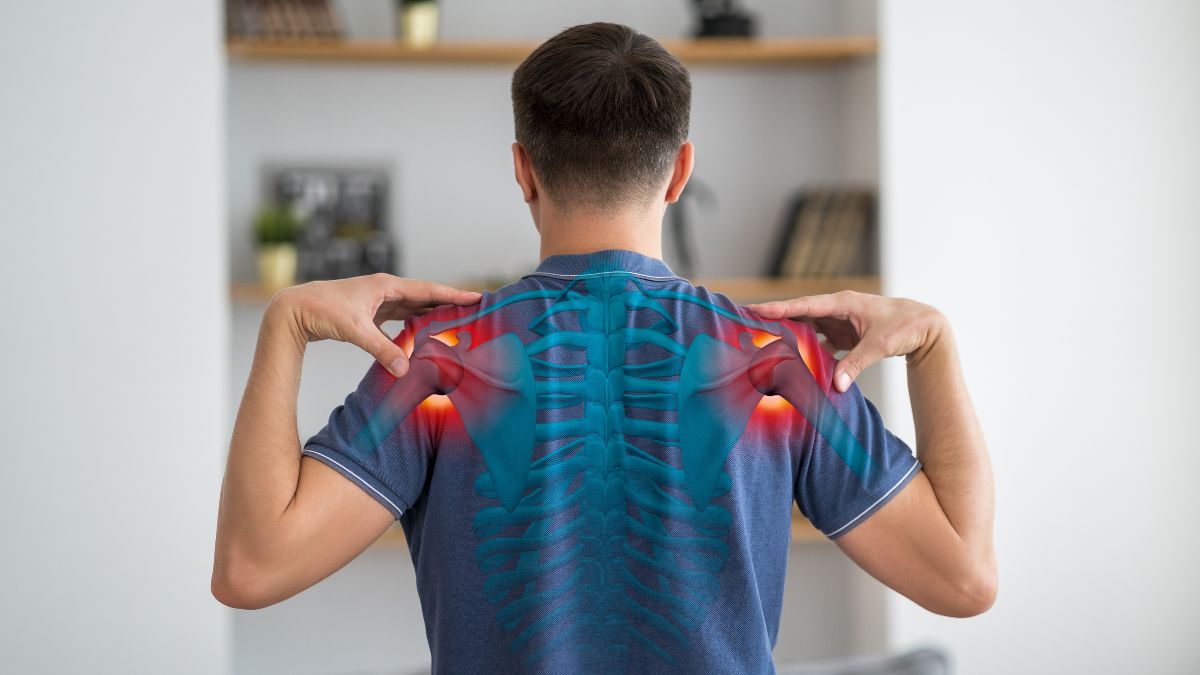
Frozen shoulder can be frustrating because the problem is not just pain. It is pain combined with stiffness, limited reach, disrupted sleep, and the feeling that ordinary movements such as putting on a shirt, reaching into a cabinet, or lifting your arm overhead have become much harder than they should be. When that pattern continues for weeks or months, many patients begin looking for conservative treatments that may help reduce pain and make movement easier again. Frozen shoulder, also called adhesive capsulitis, involves pain and stiffness in the shoulder joint and often develops slowly over time.
That is one reason people ask whether Trigger Point Therapy can help frozen shoulder pain. In some cases, yes, it may help, especially when the shoulder is not only stiff but also surrounded by tight, reactive muscles that are adding more pain and guarding to the problem. But the better answer is not that trigger point therapy is a magic fix for every frozen shoulder. The better answer is that it may be useful when muscular tension, referred pain, and protective guarding are part of the picture, while other parts of treatment may still be needed to address the deeper restriction in the joint capsule itself.
This article explains how trigger point therapy may fit into frozen shoulder care, why frozen shoulder is more complicated than ordinary muscle tightness, what realistic expectations look like, and why many patients benefit most when treatment is part of a broader plan rather than a one-technique solution.
Why Frozen Shoulder Is More Than Just A Tight Muscle Problem
Frozen shoulder is different from simple shoulder soreness after exercise or a brief muscle strain. The condition is not only that surrounding muscles feel tight. The capsule around the shoulder joint becomes restricted, and that can make the shoulder progressively harder to move.
That distinction matters because trigger point therapy works on muscles and soft tissue, not on the shoulder capsule in isolation. If the main issue is the joint becoming progressively restricted, then no single muscle-based treatment should be expected to solve the entire condition by itself. On the other hand, when the shoulder becomes painful and stiff, the surrounding muscles often respond by tightening, guarding, and referring pain into nearby areas. In those cases, addressing the muscular part of the problem may still be very helpful.
How Frozen Shoulder Usually Progresses Over Time
One of the reasons frozen shoulder can be so discouraging is that it often moves through stages rather than staying the same. The condition typically develops slowly in three stages: a freezing stage where pain increases and motion becomes more limited, a frozen stage where stiffness may become more dominant, and a thawing stage where movement gradually improves.
This matters because patients often need different types of support at different times. In a more painful phase, calming the area and reducing muscular guarding may matter a great deal. In a stiffer phase, restoring movement becomes a more central goal. A treatment that helps in one stage may not be the entire answer in another. That is why realistic expectations and good clinical judgment matter so much with frozen shoulder.
What Trigger Point Therapy Is Designed To Do
Best Acupuncture OC describes trigger point therapy as a treatment focused on identifying and releasing sensitive areas in muscle and fascia that are often referred to as knots. The clinic’s service page explains that trigger points can cause localized pain, referred pain, stiffness, and limited range of motion, and that treatment is used with goals such as pain relief, reduced muscle tension, and improved movement. In practical terms, this makes trigger point therapy more relevant for the muscular part of a painful shoulder pattern than for the capsular restriction alone.
That is important for frozen shoulder patients because the shoulder rarely exists in isolation once pain has been present for a while. The upper trapezius, neck, chest muscles, shoulder blade stabilizers, rotator cuff region, and upper back often begin compensating. Some patients then experience not only the deeper frozen shoulder problem but also a second layer of muscular tension that makes the shoulder feel even worse. Trigger point therapy may help by easing that second layer.
How Trigger Point Therapy May Help Frozen Shoulder Pain
Trigger point therapy may help frozen shoulder pain by reducing the extra muscular guarding that builds around a painful, restricted shoulder. When movement hurts, the body often responds by tightening nearby muscles in an effort to protect the area. Over time, that guarding can create more pain, more stiffness, and more referred discomfort into the neck, upper arm, shoulder blade, or upper back. The result is that the shoulder can start feeling worse than the joint restriction alone would explain.
In that kind of pattern, treating the trigger points may help decrease tenderness, loosen reactive muscles, and make the shoulder feel less braced. It may not unfreeze the shoulder on its own, but it can help reduce the muscular resistance wrapped around the condition. For many patients, that may mean improved comfort with sleeping, daily movement, stretching, or rehab work. That kind of improvement matters, even if it is not the entire cure.
Why Pain Relief And Improved Motion Are Not Exactly The Same Thing
One of the most important things patients should understand is that reducing pain and restoring motion are related goals, but they are not identical. A person can feel some pain relief while still having a shoulder that remains mechanically restricted. At the same time, lowering the pain response may still be extremely valuable because it can make movement, exercise, and therapy easier to tolerate.
That is often where trigger point therapy fits best. It may help reduce pain intensity, referred discomfort, or muscular tightness enough that the patient can engage more successfully with the rest of the recovery plan. In other words, it may not solve the frozen shoulder by itself, but it can help create a better environment for progress.
When Trigger Point Therapy May Be Especially Useful
Trigger point therapy may be especially helpful when frozen shoulder pain is accompanied by obvious muscular tension in the neck, upper trapezius, chest, shoulder blade area, or upper arm. Some patients do not just feel a deep joint ache. They also feel pulling, guarding, shoulder blade tightness, headache-type tension, or secondary pain from the way the body has been compensating. These are often the patients most likely to feel some benefit from focused soft tissue work.
When The Shoulder Feels Guarded
If the shoulder feels like it is constantly bracing, tightening, or protecting itself, trigger point therapy may help reduce some of that protective tension. This can make the area feel less reactive and sometimes less exhausting to use throughout the day.
When Pain Spreads Beyond The Joint
Trigger points can refer pain into surrounding areas. If the frozen shoulder is accompanied by neck tension, upper back pain, or pain radiating through the upper arm, treatment may help quiet some of the muscular contribution to that wider pain pattern.
When Stretching Alone Feels Too Hard To Tolerate
Some patients struggle to follow through with movement work because the shoulder and surrounding tissues feel too tight and painful. If trigger point therapy lowers that barrier even somewhat, it may make the rest of treatment more tolerable and more effective.
What Trigger Point Therapy Usually Cannot Do By Itself
It is just as important to understand the limits of treatment as the benefits. Trigger point therapy is not usually the whole answer for frozen shoulder because frozen shoulder is not only a trigger point problem. The condition involves deeper restriction in the shoulder capsule, and patients often need a broader strategy that may include movement work, mobility exercises, pain management, and other supportive care.
This does not make trigger point therapy unhelpful. It just means the treatment should be understood correctly. It may improve comfort, reduce guarding, and support function, but it is usually most useful as part of a plan rather than as a standalone cure.
Why Frozen Shoulder Often Responds Better To A Combined Approach
Best Acupuncture OC’s service structure already suggests a broader treatment philosophy. In addition to trigger point therapy, the clinic also offers services such as Neuropuncture, Cupping Therapy, Gua Sha, and Chinese Medicine. That broader framework makes sense because frozen shoulder often benefits from treatment aimed at more than one layer of the problem.
A patient may need help reducing pain, relaxing guarding, and gradually improving movement rather than relying on one method alone. In some cases, trigger point therapy may be one of the treatments that helps make the entire recovery process more manageable.
What A Patient May Realistically Feel After Treatment
When trigger point therapy helps, the improvement may not feel dramatic in a single moment. Some patients feel looser right away. Others notice that the shoulder feels less tense later in the day or the next morning. Some may feel a bit sore first, especially if the area was already very reactive. Best Acupuncture OC’s trigger point page notes that temporary discomfort and even mild bruising can occur in some people, especially when the tissues are sensitive.
The most useful way to evaluate the response is often in practical terms. Does the shoulder feel less guarded? Is sleep slightly easier? Is stretching more tolerable? Does the pain feel less spread out into the neck or upper back? Small improvements in these areas can be meaningful, especially in a condition that often progresses slowly.
Who May Be A Better Candidate For Trigger Point Therapy
Patients who may respond best are often those with frozen shoulder pain plus clear muscular tightness, referred pain, shoulder blade tension, neck involvement, or obvious guarding around the joint. They are usually not looking for a miracle fix in one session. They are looking for a treatment that may help lower pain, reduce tightness, and make the recovery process more tolerable.
Patients who understand that frozen shoulder recovery can take time are often the best candidates because they tend to use treatment as one part of a structured plan rather than expecting one technique to do everything. That mindset usually leads to better satisfaction and more realistic progress.
When A Medical Evaluation Still Matters
Not every painful or stiff shoulder is frozen shoulder. Rotator cuff injuries, arthritis, nerve-related symptoms, or other shoulder problems can sometimes overlap with or resemble it. That is why persistent shoulder pain and loss of motion should be evaluated properly, especially if the symptoms are worsening, night pain is significant, or there is uncertainty about the diagnosis.
A good treatment plan starts with understanding what problem is actually being treated. Trigger point therapy can be useful, but it works best when it is aimed at the right clinical picture.
The Bottom Line
Yes, trigger point therapy may help frozen shoulder pain, especially when the condition is accompanied by muscle tightness, guarding, referred pain, and reduced tolerance for movement. It can be valuable for decreasing the extra layer of muscular tension that often develops around a painful, restricted shoulder. But it is usually not the whole answer by itself because frozen shoulder is more than just a trigger point problem. The condition often involves deeper capsular restriction and usually improves best with a broader, more structured recovery approach.
For many patients, the most realistic goal is not instant resolution. It is making the shoulder less reactive, improving comfort, and creating a better pathway toward restored function over time. In that context, trigger point therapy can be a helpful part of frozen shoulder care when it is used thoughtfully and matched to the real pattern behind the pain.
Trigger Point Therapy At Best Acupuncture OC
If you are dealing with frozen shoulder pain, muscular guarding, or stiffness that is making everyday movement harder, Best Acupuncture OC offers Trigger Point Therapy as part of a broader care model that also includes Neuropuncture, Cupping Therapy, Gua Sha, Chinese Medicine, Cosmetic Acupuncture, and Microneedling. You can call (949) 867-0150 to learn more or discuss the next steps for care.
Schedule A Consultation
If you want to find out whether trigger point therapy may be a good fit for your frozen shoulder symptoms and whether it should be part of a larger treatment plan, you can learn more through the Trigger Point Therapy page, explore additional options on the Services page, or book directly through Schedule An Appointment.
Medical Note: This article is for educational purposes only and does not replace professional medical advice, diagnosis, or treatment. Persistent shoulder pain and stiffness should be properly evaluated, especially when symptoms worsen, interfere with sleep, or significantly limit arm movement.