

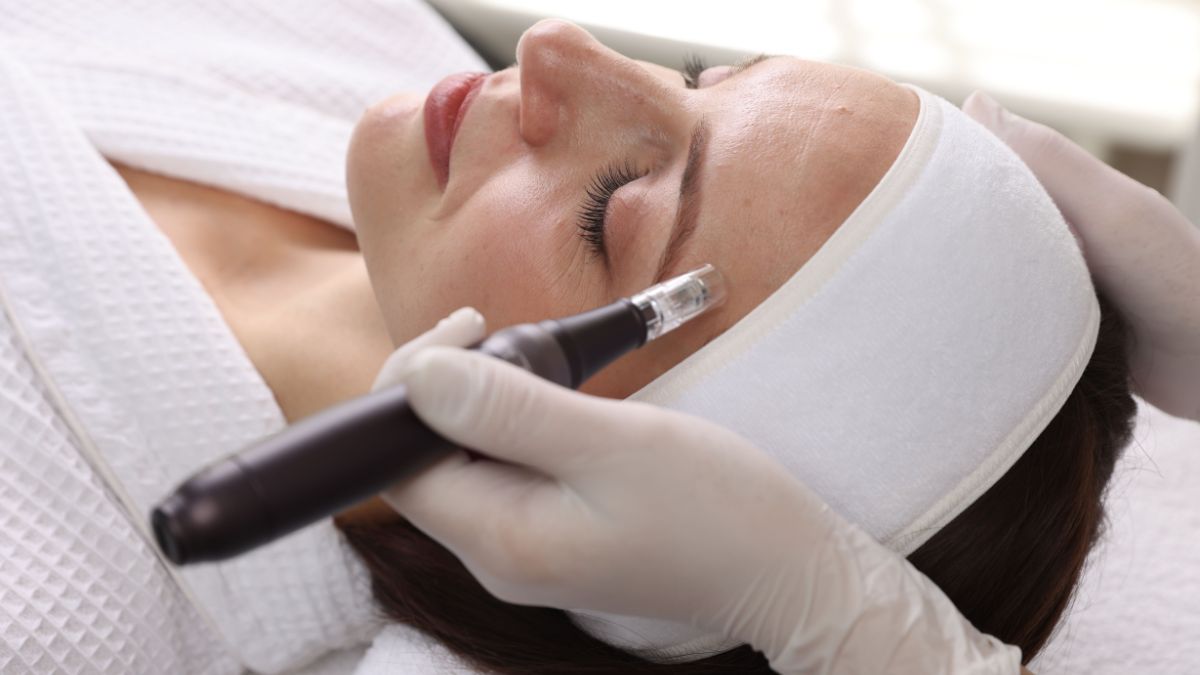
Microneedling can be an effective way to improve skin texture, soften the appearance of acne scars, and support smoother, healthier-looking skin, but the quality of the result does not depend on the treatment alone. A large part of the outcome depends on what you do before and after the session. The wrong products, too much sun exposure, unnecessary friction, or overly aggressive post-treatment routines can increase irritation, prolong redness, and make the skin heal less smoothly.
The most practical way to think about microneedling is this: the treatment creates controlled micro-injuries so the skin can begin a repair process. That means your skin needs calm conditions, not extra stress. Preparation matters because it helps reduce avoidable irritation before the session. Aftercare matters because it supports barrier recovery while your skin is more reactive than usual.
This article explains what you should avoid before and after microneedling, why those restrictions matter, what mistakes commonly interfere with healing, and how to approach the treatment in a way that gives your skin the best chance to recover well and show steady improvement over time.
A Practical Overview Of What Microneedling Does To The Skin
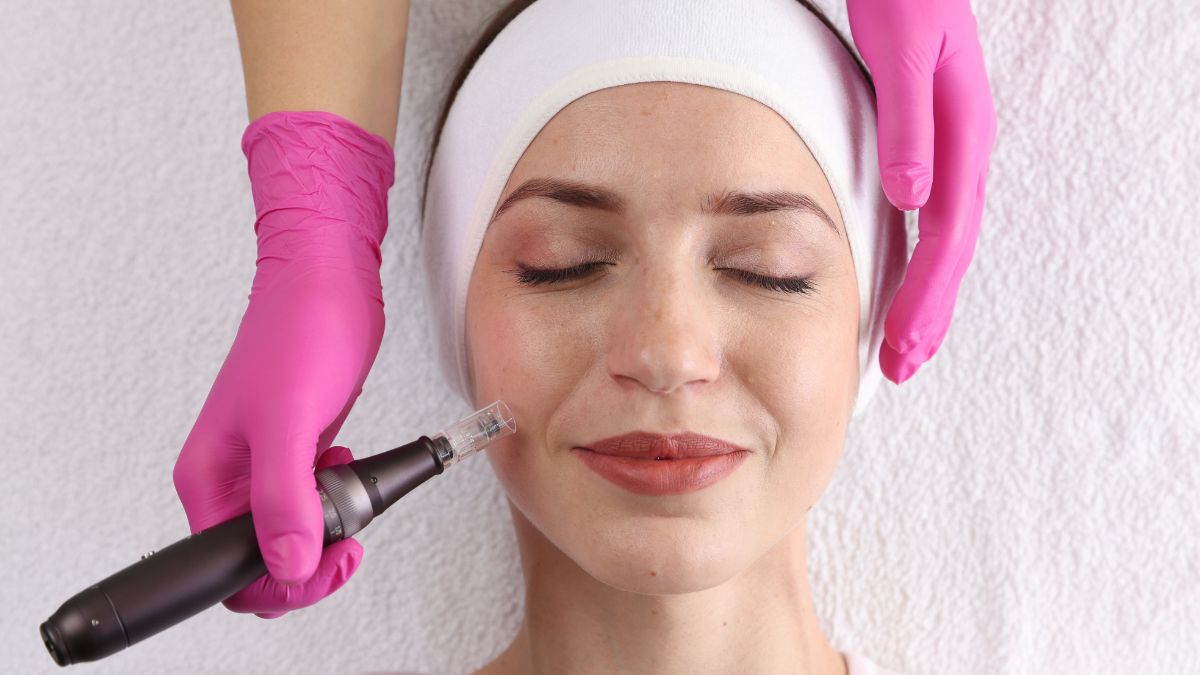
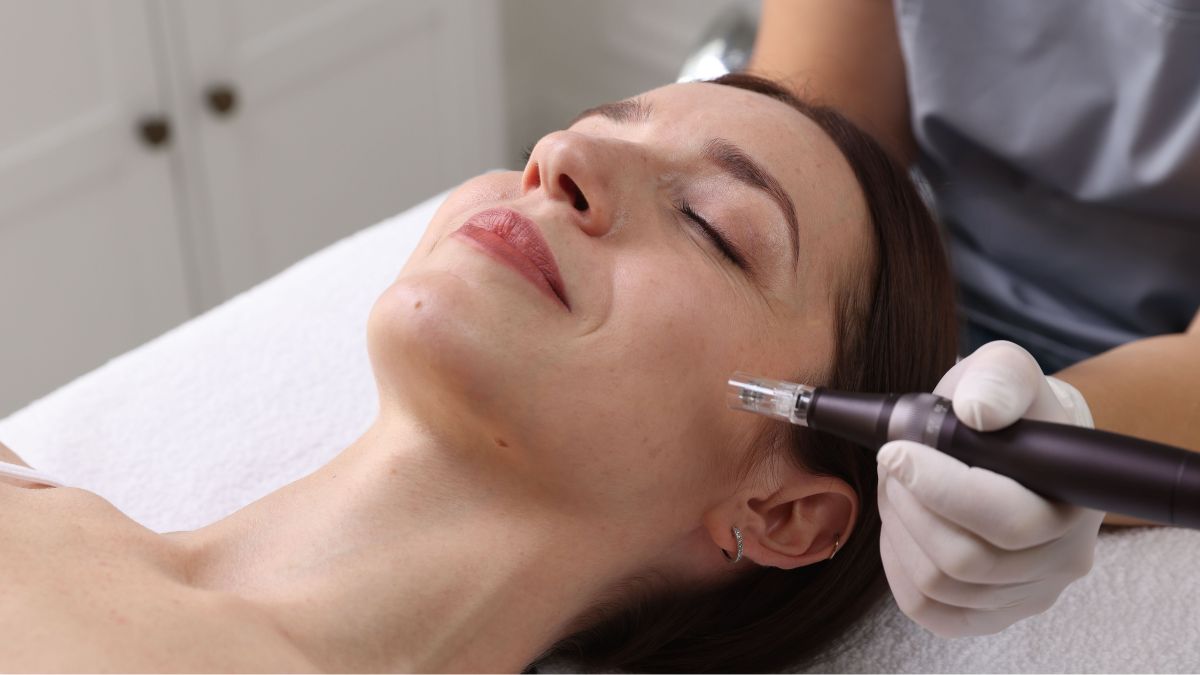
Microneedling is a treatment that uses very fine needles to create controlled microchannels in the skin. The purpose is not to damage the skin randomly. The purpose is to stimulate a repair response that can support collagen remodeling, smoother texture, and gradual cosmetic improvement. This is one reason people often seek microneedling for concerns such as acne scarring, early fine lines, uneven skin texture, enlarged pores, and overall skin rejuvenation.
Because the skin is intentionally being challenged, even in a controlled way, the barrier is temporarily more vulnerable right after treatment. That is why aftercare is not optional. Your skin is more likely to react to heat, harsh active ingredients, friction, sun exposure, heavy sweating, and contaminated surfaces during the recovery window. The better you respect that window, the more predictable your healing tends to be.
Why Preparation And Aftercare Affect Results
Many people focus only on the treatment day, but preparation and recovery shape how comfortably the skin responds. If you arrive with irritated skin, recent sun exposure, or a routine full of strong acids and retinoids, your skin may become more reactive than necessary. If you follow treatment with heavy workouts, hot showers, makeup too soon, or aggressive exfoliation, you can prolong inflammation and compromise the healing process.
Microneedling works best when the skin is treated like recovering skin rather than normal skin. That means simplicity, patience, and avoiding the urge to do too much.
What To Avoid Before And After Microneedling
The period before treatment is about lowering avoidable irritation, and the period after treatment is about protecting the healing process. You want your skin calm, intact, and not already inflamed when the session begins. Afterward, you want to minimize unnecessary triggers so the skin can recover more smoothly.
Before Your Appointment
Retinoids And Strong Exfoliating Products
One of the most important things to avoid before microneedling is overuse of active skincare ingredients that can leave the skin irritated or thinned at the surface. This includes retinoids, retinol, prescription tretinoin, glycolic acid, lactic acid, salicylic acid, exfoliating toners, peels, and abrasive scrubs unless your provider gives you different instructions. These products may be helpful in a long-term skin routine, but they are often not ideal immediately before treatment because they can increase dryness, stinging, redness, and skin sensitivity.
A safer mindset is to simplify your routine in the days leading up to the appointment. A gentle cleanser, a bland moisturizer, and sunscreen are often more useful than a complicated routine right before treatment.
Excess Sun Exposure And Tanning
Sun exposure before microneedling can create a more reactive starting point. Skin that is recently sunburned, overheated, or inflamed is not ideal for treatment. Even if the skin is not visibly burned, heavy sun exposure can make it more sensitive. Tanning beds create the same problem while adding more risk. If your skin is irritated from UV exposure, treatment may need to be postponed or modified.
In practical terms, avoid trying to tan before the appointment, avoid prolonged direct sun exposure when possible, and use broad-spectrum sunscreen consistently. Calm skin responds better than stressed skin.
Waxing, Harsh Hair Removal, And Other Aggressive Procedures
Microneedling should not be layered on top of freshly irritated skin from waxing, depilatory creams, strong facial hair removal methods, chemical peels, or other resurfacing treatments unless your provider specifically coordinates the timing. Combining too many exfoliating or inflammatory procedures close together can overload the skin and create more irritation than benefit.
If you have a broader cosmetic plan, spacing matters. Good treatment plans are usually structured, not stacked impulsively.
Picking, Scratching, Or Treating Broken-Out Skin Aggressively
If you tend to pick at blemishes, dry patches, or uneven texture, the days before microneedling are a time to stop. Picking increases inflammation and can leave open areas that are not ideal for treatment. The same goes for trying to force a breakout to clear with harsh spot treatments, repeated exfoliation, or repeated extraction attempts at home. Skin that is already inflamed or compromised may not tolerate the session as well.
New Products That Can Trigger Irritation
The week before microneedling is not the best time to experiment with a new serum, brightening acid, peel pad, or trendy active ingredient. New products can trigger redness, dryness, or an allergic reaction, and even mild irritation can change how the skin responds on treatment day. Stay with products your skin already tolerates well unless your provider advises otherwise.
Blood-Thinning Supplements Or Medications Without Clinical Guidance
Some people are told to review supplements or medications that can increase bruising or bleeding risk. This is not something you should change on your own. If you take prescription blood thinners or any medication for an important medical reason, follow the instructions of the prescribing clinician. The key point is to disclose your medications and supplements honestly before treatment so the provider can advise you appropriately.
Arriving With Makeup, Heavy Skincare, Or Unclear Skin Status
On the day of treatment, it is usually best not to arrive with heavy makeup, self-tanner, or layered skincare that needs to be removed aggressively. Clean skin makes assessment easier. It is also important to tell the provider if you have an active cold sore history, current irritation, a rash, a skin infection, or a recent cosmetic procedure. Microneedling should be done with good clinical judgment, not by ignoring obvious red flags.
Right After Treatment
Touching Your Face Unnecessarily
Your hands pick up oils, bacteria, and irritants all day. After microneedling, frequent touching, rubbing, or pressing on the treated skin adds friction and increases the chance of contamination. The skin should be left alone except for gentle provider-approved aftercare.
Putting On Makeup Too Soon
Many people want to cover the redness immediately, but applying makeup too soon can irritate the skin and expose it to ingredients and tools that are not ideal during the early healing phase. The exact timing can vary depending on the depth of treatment and provider instructions, but the general principle is simple: do not rush to put cosmetic products on skin that is still actively recovering.
Heat, Sweating, And Intense Workouts
One of the most common mistakes after microneedling is returning too quickly to activities that generate heavy sweating, facial flushing, and heat exposure. Intense exercise, saunas, steam rooms, hot yoga, and very hot showers can increase redness and irritation during the period when the skin is already inflamed. A short pause from these triggers often helps recovery stay calmer and more comfortable.
Direct Sun Exposure
Freshly treated skin is not skin you want to challenge with sun exposure. UV stress can worsen redness and complicate healing, especially if the barrier is still vulnerable. This is one of the most important post-treatment restrictions. If you must be outside, follow your provider’s sunscreen guidance and take practical protective steps such as shade and hats when appropriate.
Harsh Active Ingredients
Right after microneedling is not the time to restart acids, retinoids, scrubs, benzoyl peroxide, or strong brightening products simply because the skin looks dry or uneven. Dryness and temporary roughness can be part of recovery. Trying to scrub that away too early can create more irritation. Stick with a simple routine until the skin has settled and your provider tells you when to resume stronger products.
Picking At Flaking Or Rough Texture
As the skin recovers, some people notice dryness, tightness, or a slightly rough feel. The temptation is to exfoliate, rub, or peel anything that looks like dead skin. Picking at flaking skin can interfere with barrier repair and increase irritation. Let the skin progress through the healing stage naturally.
During The First Few Days Of Recovery
The first few days are often where good results are either supported or disrupted. A person may feel mostly normal by the next day and assume the skin can go back to business as usual, but the surface barrier may still be recovering. That is why restraint matters even when the skin no longer looks very red.
Overcomplicating Your Skincare Routine
Many people sabotage the recovery window by trying to add too many “helpful” products. Growth factor serums, acne treatments, exfoliating masks, vitamin C, retinoids, and pore-clearing treatments may all have a role at some point, but adding them too early can backfire. During early healing, simple care is usually better than an ambitious routine.
A practical post-treatment routine often centers on a gentle cleanser, a plain hydrating moisturizer, and sunscreen if advised for daytime use. The priority is barrier support, not chasing every skin concern at once.
Swimming Pools, Hot Tubs, And Irritating Environments
Chlorinated water, hot tubs, and environments where the skin is exposed to heat, bacteria, or chemical irritants are not ideal early after treatment. Even if the skin looks only mildly pink, it is still wise to avoid unnecessary exposures that may sting, dry out the skin, or introduce irritation.
Friction From Towels, Brushes, And Tight Gear
Harsh cleansing brushes, abrasive washcloths, tight helmet straps, rough towels, and repeated rubbing from clothing or accessories can all be more irritating than usual after microneedling. Be gentle when drying your face. Pat rather than scrub. The goal is to reduce mechanical stress while the skin is still sensitive.
Judging The Final Result Too Soon
One subtle but important thing to avoid is premature disappointment. Microneedling does not usually create its full result overnight. Skin improvement tends to build gradually, especially when treating textural issues or acne scarring. Looking in the mirror too aggressively every few hours and changing your routine out of panic is rarely helpful. A steady healing process is usually more meaningful than a dramatic first-day change.
What Helps Instead
It helps to replace each restriction with a practical alternative. Instead of intense exercise, choose light movement. Instead of a long skincare routine, use a short and calming one. Instead of direct sun, choose shade and protection. Instead of harsh actives, use bland hydration. Instead of picking at texture, let the skin recover undisturbed.
Think In Terms Of Calm Recovery
Microneedling aftercare works best when you make the recovery window boring. Boring is often good for healing skin. Keep your hands off your face, stay out of the heat, avoid overcleansing, use provider-approved products, protect the skin from the sun, and give the treatment time to work.
When You Should Delay Treatment Or Contact A Professional
Microneedling should not be approached casually if your skin is actively irritated, infected, severely sunburned, or breaking out in a way that compromises the treatment area. If you have unusual swelling, worsening pain, pus, increasing rash, or a reaction that feels more severe than expected after treatment, contact the provider promptly. A normal healing response should trend toward improvement, not steadily escalating irritation.
Red Flags To Take Seriously
Seek professional guidance if you develop signs of infection, severe persistent swelling, unusual crusting, significant worsening pain, or any reaction that seems out of proportion to the treatment you had. Educational content can help you prepare, but it does not replace individualized medical judgment.
What A Good Microneedling Plan Looks Like
A good plan does not focus only on one appointment. It looks at your skin goals, your sensitivity level, your history with active ingredients, your healing response, and the realistic timeline for improvement. If you are treating acne scars, texture, or fine lines, you may need a series of sessions rather than a one-time treatment. The provider should also help you understand how to prepare, what to avoid, and when to restart your normal routine.
The most successful patients are often not the ones who do the most after treatment. They are the ones who avoid the most common mistakes. They respect the recovery window, avoid turning aftercare into experimentation, and allow the skin to move through repair with less interference.
Begin Your Care With Best Acupuncture OC
If you are considering microneedling in Orange County and want a treatment plan that takes preparation and aftercare seriously, connect with Best Acupuncture OC. A thoughtful consultation can help determine whether microneedling is appropriate for your skin goals, how to prepare in advance, and which aftercare steps matter most for your skin type and sensitivity level.
You can learn more about the clinic through Best Acupuncture OC, schedule online at Schedule An Appointment, or call (949) 867-0150.
Medical Note: This article is for educational purposes only and does not replace professional medical advice, diagnosis, or treatment. For individualized skincare and medical guidance, consult a qualified healthcare provider.