

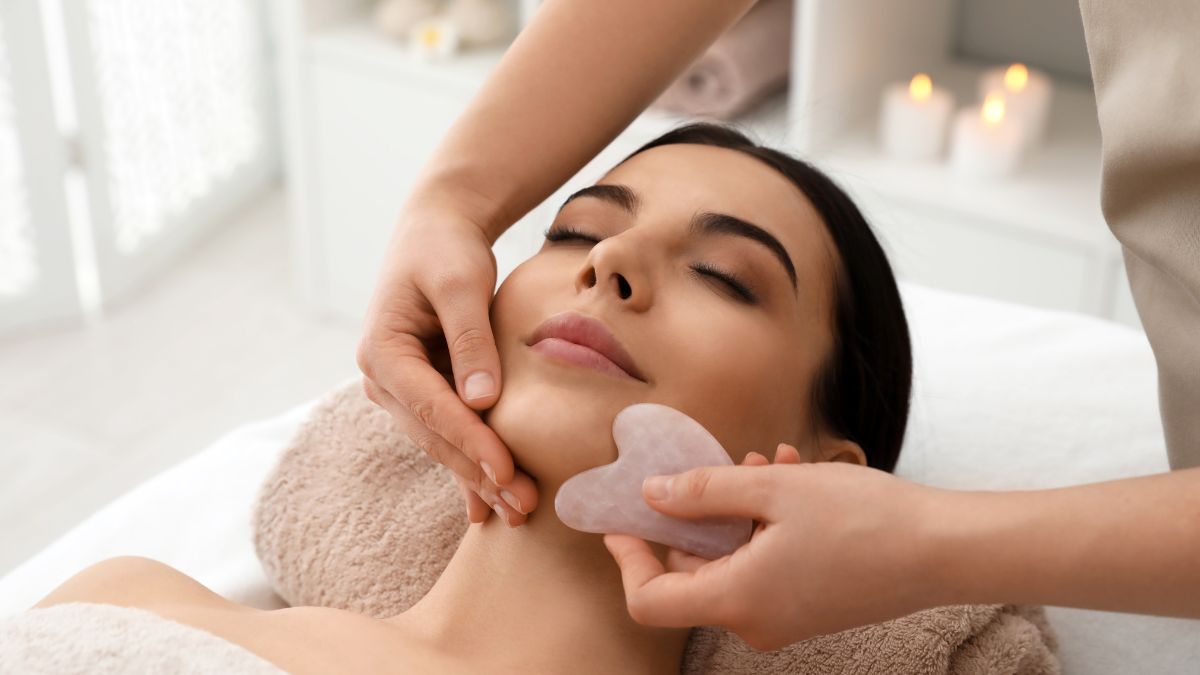
Gua Sha can be an excellent tool for pain relief, but the real question is not whether it works. The question is how often you should do it so the relief is consistent, predictable, and tied to real improvement rather than temporary loosening that disappears after a day or two.
The most accurate answer is that the right frequency depends on what type of pain you have, how reactive the tissue is, and whether you are using Gua Sha at home or receiving a clinical session. Acute flare-ups often respond best to a short period of higher frequency. Chronic pain patterns usually improve more reliably with steady weekly care plus a simple maintenance routine. In both cases, the goal is not to scrape harder or do longer sessions. The goal is to use the right dose so your nervous system calms down, your tissues stop guarding, and your movement becomes easier.
This article explains how often to do Gua Sha for the best pain relief, what “best pain relief” should realistically mean, how to choose a safe schedule, and how a clinic should structure a plan so you are not repeating the same session with no clear progression.
A Practical Overview Of Gua Sha For Pain Relief
Gua Sha is a manual therapy technique that uses a smooth-edged tool to apply controlled pressure along the skin, superficial fascia, and muscle layers. In modern clinical settings, it is often used to reduce muscle guarding, improve tissue glide, and calm down pain sensitivity. Many people notice that areas that feel “stuck” start to feel more mobile and less tender after a session.
For pain relief, it helps to think of Gua Sha as a way to change the tissue environment and the nervous system response around a painful area. Pain is not only a mechanical issue. It is also a sensitivity issue. When your body expects pain, it guards. When it guards, the area gets tighter, movement gets smaller, and the cycle reinforces itself. Gua Sha can interrupt that loop by reducing tone and improving how layers move against each other.
The key point is that Gua Sha is dose-dependent. Too little may not create a meaningful change. Too much, too often, can irritate tissues and make you feel sore or inflamed. The best pain relief comes from using a frequency that supports recovery while steadily decreasing reactivity over time.
What “Best Pain Relief” Should Mean In Real Life
“Best pain relief” should not mean you feel amazing for a few hours and then crash. A more useful definition is progress that shows up in daily function. That includes fewer flare-ups, less intensity when symptoms show up, better sleep, less stiffness when you wake up, and more range of motion with normal activities.
A good plan looks for directional change. If your neck pain used to spike after two hours at a desk, a better outcome is that you can work longer before you feel tight. If your shoulder pain used to wake you up at night, a better outcome is fewer wake-ups and less positional sensitivity. If your low back pain used to flare after driving, a better outcome is less guarding and faster recovery after sitting.
How Frequency Works In The Body
Frequency matters because your body adapts based on repetition. One session can reduce tightness and pain sensitivity, but if the driver of the pain is a repetitive strain pattern, posture load, training load, or stress-driven tension, your system will often revert unless you repeat the input at the right interval.
There are two timing considerations that shape the ideal schedule. The first is how long the relief lasts after a session. The second is how long it takes your tissues to fully recover from the session. The best frequency sits in the middle. You repeat often enough that you do not fully slide back into the old pain pattern, but not so often that you stack irritation on top of irritation.
Why More Often Is Not Always Better
People sometimes assume that daily Gua Sha must be better because it feels productive. For pain relief, daily aggressive work can backfire. If you create excessive redness, petechiae, bruising, or lingering soreness, you may be overloading tissues that are already sensitive. In that scenario, frequency becomes a source of irritation, and pain relief becomes less stable.
Instead, think in terms of a minimum effective dose. You want the least amount of work that produces a meaningful reduction in pain and tension, repeated at a cadence that reinforces change.
Recommended Frequency For Gua Sha Based On Pain Pattern
The schedules below are practical starting points. They are not medical prescriptions, and they should be adapted to your response, your health history, and your comfort level. If you are working with a clinician, your plan should be individualized based on what your assessment shows.
Acute Pain Or A Recent Flare-Up
Acute pain often responds best to a short burst of higher frequency. This includes situations like a sudden neck spasm, a low back flare after lifting, or a shoulder that became irritated after a new workout routine. In these cases, many people do well with Gua Sha two to three times per week for one to two weeks. The intention is to reduce guarding quickly so you can move more normally and prevent the flare from becoming a longer pattern.
If you are doing light, gentle Gua Sha at home, some people can tolerate shorter sessions more often. That might look like three to five brief sessions per week, focusing on comfort and mobility rather than intensity. The moment your skin feels overly tender or you stay sore longer than a day, that is feedback to reduce intensity or frequency.
Chronic Pain That Has Been Present For Months
Chronic pain tends to improve more reliably with steady weekly care. A common starting point is one to two sessions per week for two to four weeks, followed by reassessment. The goal is not to chase pain daily. The goal is to steadily lower baseline tension and sensitivity while improving range of motion and function.
For chronic pain, consistency usually beats intensity. A moderate session once a week often outperforms aggressive sessions done sporadically. If your pain is highly reactive or you have multiple regions involved, starting with two sessions per week can help create a clearer early change. Once symptoms stabilize, many people transition to weekly or every other week maintenance depending on lifestyle load.
Maintenance For Recurring Tightness And Stress-Related Pain
Many pain patterns are not one-time injuries. They are recurring tension cycles, especially in the neck, shoulders, jaw, mid-back, and hips. If you are mostly functional but you keep getting the same tightness, maintenance frequency is often enough. That typically looks like one session every one to two weeks, paired with simple self-care at home.
Maintenance works best when you time it around your real triggers. If your job involves long desk hours, you may do better with weekly sessions during heavy work months. If your pain spikes during travel, you may do better scheduling around trips. If workouts are the driver, spacing sessions after harder training weeks can keep your tissues calm and improve recovery.
Home Gua Sha Versus Clinical Gua Sha
One reason frequency gets confusing is that “Gua Sha” can mean two different things. At home, many people do light work on the neck, shoulders, or face. In a clinic, Gua Sha is often deeper, more targeted, and paired with assessment. That difference changes how often you should do it.
At-Home Frequency For Pain Relief
At home, the safest approach is to use a gentler intensity and shorter duration, then repeat more consistently. Many people do well with three to four short sessions per week, focusing on areas that tighten most. The key is to keep it comfortable and avoid chasing redness as a sign of success. If your skin becomes irritated, you are going too hard or too often.
Clinical Frequency For Pain Relief
In a clinical setting, sessions are often more effective per visit, so they can be less frequent. Many patients do well with one to two sessions per week initially. A clinic can also combine Gua Sha with acupuncture, cupping therapy, trigger point work, or other techniques so you are treating multiple contributors instead of overworking one tissue layer.
How To Know If You Are Doing It Too Often
Your body gives clear signals when frequency is too high. The most important sign is that soreness lasts longer than expected or your pain feels more irritated rather than calmer.
Common Signs Your Frequency Is Too High
If you feel increased tenderness that lasts more than 24 to 48 hours, if the area becomes more sensitive to touch, if bruising is frequent or heavy, or if your range of motion feels worse after sessions, you likely need to reduce frequency or intensity. Another sign is that your pain relief window becomes shorter over time. That can happen when tissues are not fully recovering between sessions.
What To Do If You Overdid It
The best response is usually to pause for several days, then restart with lighter pressure and a shorter session. Gentle walking and hydration often help. If the area feels inflamed, give it time. If symptoms are severe, unusual, or worsening, seek medical guidance.
Aftercare That Improves Pain Relief
Aftercare matters because it helps your body lock in the change rather than snapping back into guarding. Pain relief is more stable when you pair Gua Sha with supportive habits in the next 24 hours.
Movement Beats Rest For Most Muscle-Based Pain
For many people, gentle movement after a session improves results. A short walk, light stretching, or controlled mobility work can reinforce the new range of motion. The goal is not to push into pain. The goal is to move in a way that tells your nervous system the area is safe.
Hydration, Sleep, And Stress Management
Hydration and sleep support tissue recovery. Stress management matters because stress increases muscle tone and pain sensitivity. If your pain is strongly linked to stress, improving nervous system regulation can be as important as what you do with the tool.
When Gua Sha Needs To Be Part Of A Broader Plan
Gua Sha can help pain relief, but it is not the only tool. If your pain is driven by nerve irritation, disc issues, inflammatory conditions, or systemic factors, Gua Sha may provide comfort but not full resolution. That is not a failure. It is a sign you should broaden the plan.
A strong approach uses Gua Sha to reduce guarding and sensitivity, then pairs it with corrective movement, posture changes, training adjustments, and when appropriate, acupuncture or other therapies. When a plan is coordinated, frequency becomes easier to determine because progress is measured and re-evaluated rather than guessed.
Red Flags That Should Not Be Managed With Gua Sha Alone
Seek medical evaluation for severe pain after trauma, progressive weakness, unexplained numbness that worsens, fever with severe pain, or changes in bowel or bladder control. These situations require medical assessment rather than self-treatment.
What A Good Treatment Plan Looks Like For Pain Relief
A good plan has an assessment, a starting frequency, measurable goals, and a re-evaluation point. You should understand what is driving your pain, why Gua Sha is being used, and what the clinic expects to change over the first few weeks.
For example, if your pain is primarily myofascial and posture-driven, the plan might begin with one to two weekly sessions for two to three weeks, then shift to weekly sessions while you build better movement habits. If your pain is more reactive, the plan might start conservatively and build as your tissues tolerate it.
Progress should be tracked in real terms. That includes pain intensity, but also how long you can sit, how well you sleep, how easily you move, and how quickly you recover after triggers. The best pain relief is not only lower pain today. It is a body that becomes less reactive tomorrow.
Begin Your Care With Best Acupuncture OC
If you want a plan that uses Gua Sha strategically for pain relief, start with a clinical consultation at Best Acupuncture OC. A thoughtful evaluation can help identify whether your pain is being amplified by muscle guarding, myofascial restriction, trigger points, or other drivers, and then match the right frequency and technique to your body’s response.
Many patients benefit from combining Gua Sha with acupuncture to support both tissue change and nervous system regulation. You can learn more about the clinic and its approach through Best Acupuncture OC, and schedule online at Schedule An Appointment or call (949) 867-0150.
Medical Note: This article is for educational purposes only and does not replace professional medical advice. For diagnosis and medical management, consult a qualified healthcare provider.