

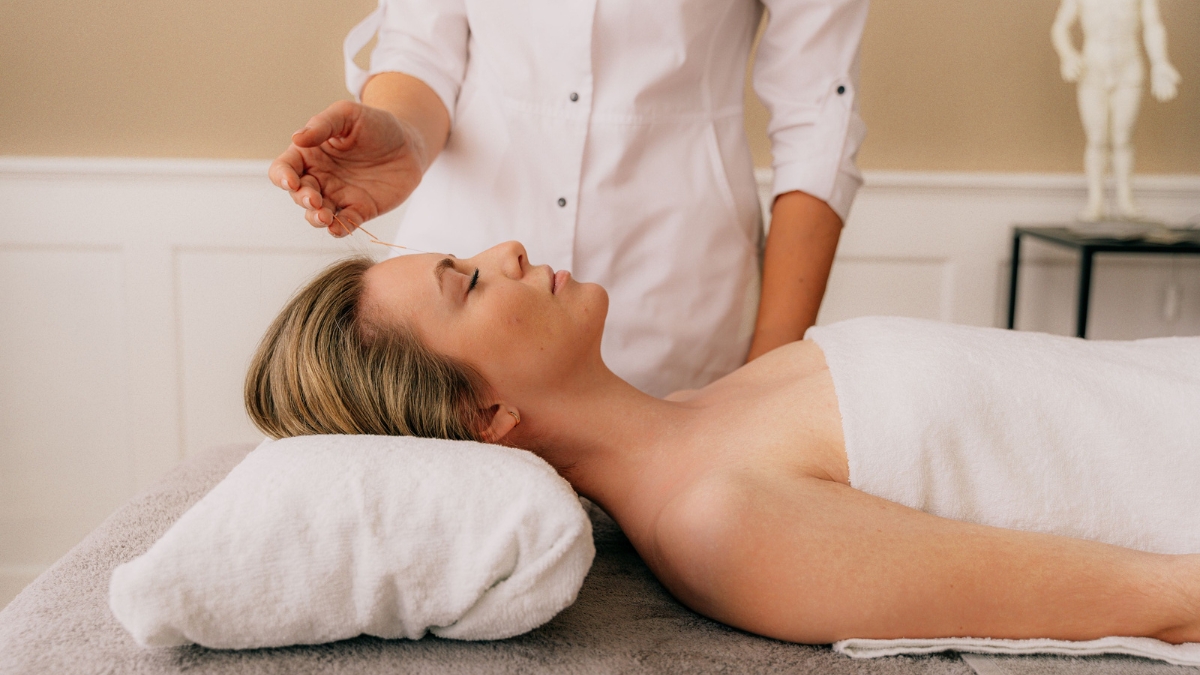
Most people who try acupuncture for the first time want to know the same thing before they book. How many sessions will it take before I notice a difference?
There is no single number that fits everyone, but there are reliable patterns. Many patients notice some change within the first few sessions, and a typical course of care for an ongoing concern often runs somewhere around 6 to 12 visits. Newer, milder issues tend to respond faster. Long-standing or complex conditions usually take longer and benefit from a steadier schedule.
The number that is right for you depends on what you are treating, how long you have had it, your overall health, and how consistently you can attend sessions. Understanding these factors makes it easier to set realistic expectations and get the most from your treatment plan.
Why Acupuncture Usually Takes More Than One Session
Acupuncture is generally considered a cumulative therapy. Each session builds on the one before it.
A single treatment may bring temporary relief, a sense of calm, or better sleep that night. The more lasting changes, such as fewer pain flare-ups, steadier energy, or improved mobility, tend to develop over a series of visits as the body responds to repeated treatment.
This is similar to physical therapy or strength training. One appointment can help, but progress usually comes from consistency over time.
Typical Session Ranges by Type of Concern
Every plan is individualized, but the following general ranges can help you understand what to expect.
- Recent or mild concerns. A newer muscle strain, a short stretch of poor sleep, or a recent stress-related issue may respond within about 3 to 6 sessions.
- Ongoing or recurring problems. Pain or symptoms that have lingered for months often call for a course of around 6 to 12 sessions.
- Chronic or complex conditions. Issues present for years, or those involving several overlapping symptoms, may need a longer course followed by periodic maintenance visits.
- Wellness and prevention. Patients using acupuncture for stress management or general well-being often settle into a regular schedule, such as a visit every few weeks or once a month.
These ranges are a starting point, not a guarantee. Your practitioner will adjust your plan based on how your body responds.
How Often Should You Go to Acupuncture?
Frequency matters as much as the total number of sessions.
At the beginning of care, many practitioners recommend one or two sessions per week. Closer spacing early on helps each treatment build on the last before its effects fade.
As symptoms improve, sessions are usually spread further apart. A patient who starts at twice a week may move to once a week, then every other week, and eventually to occasional maintenance visits.
Spacing sessions too far apart at the start can slow progress, because the body may return to its previous pattern between visits.
Factors That Affect How Many Sessions You Need
Two people with the same complaint may need very different treatment plans. Common factors include the following.
- How long you have had the condition
- How severe your symptoms are
- Your age and general health
- Sleep quality and stress levels
- Physical demands of your job or daily routine
- Whether you are recovering from an injury or surgery
- How consistently you attend appointments
- Whether you follow at-home recommendations between visits
Lifestyle plays a meaningful role. A patient treating back pain who also improves posture, stretching, and sleep habits will often progress faster than one who returns to the same strain every day.
Session Expectations for Common Concerns
Here is how treatment often looks for some of the most common reasons people visit an acupuncturist.
Back and neck pain. Many patients begin to feel changes in tension and mobility within the first several visits, with a full course often running a few weeks. Learn more in our guides on acupuncture for back pain and acupuncture for neck pain.
Headaches and migraines. Because headaches often follow patterns, treatment is usually tracked over several weeks to see whether frequency and intensity decrease. Read more about acupuncture for headaches and migraines.
Joint pain. Knee, shoulder, and wrist concerns that have built up over time typically need a steady series of sessions. See our articles on knee pain and carpal tunnel syndrome.
Stress and sleep. Many patients report feeling calmer after their very first session, while more consistent improvements in sleep often develop over several weeks. Our post on acupuncture and sleep quality covers this in more detail.
Cosmetic acupuncture. Facial treatments are commonly done as a series, because skin changes build gradually. Learn more about cosmetic acupuncture.
How Do You Know If Acupuncture Is Working?
Progress is not always dramatic, so it helps to know what to look for. Positive signs often include the following.
- Pain that is less intense or less frequent
- Relief that lasts longer after each session
- Better range of motion
- Improved sleep
- More stable energy throughout the day
- Feeling calmer or less reactive to stress
- Needing fewer pain relievers, as discussed with your physician
Keeping a simple log of your symptoms before and after sessions can make these changes easier to see. Share what you notice with your acupuncturist so your plan can be adjusted.
What If You Do Not Notice Results?
Some people respond quickly, while others need more time. If you have completed several sessions without meaningful change, it is worth discussing with your practitioner.
They may adjust the treatment approach, change the frequency of visits, or add complementary therapies such as cupping therapy, trigger point therapy, or Neuropuncture.
In some cases, a lack of progress may also mean it is time to involve your physician to rule out other causes. Acupuncture works best as part of a complete approach to your health, not as a replacement for medical care.
Do You Need Maintenance Sessions?
Once your main symptoms improve, you may not need to keep coming weekly. Many patients transition to maintenance visits.
Maintenance schedules vary. Some people return monthly. Others book a session at the start of a stressful season, after a flare-up, or when they notice old symptoms returning.
Maintenance care is optional and depends on your goals. Patients managing chronic conditions often find that periodic visits help them hold onto their progress. Our article on the long-term benefits of acupuncture explains why some people make it a regular part of their routine.
How to Get the Most From Each Session
A few simple habits can help your treatment work more effectively.
- Eat a light meal a couple of hours before your appointment
- Stay hydrated before and after treatment
- Wear loose, comfortable clothing
- Avoid intense workouts immediately after a session
- Keep your appointments consistent, especially early in care
- Tell your acupuncturist about any changes in symptoms or medications
If you are new to acupuncture, our guide on what to expect during your first acupuncture session walks through the process step by step.
Your First Visit Sets the Plan
The clearest answer to how many sessions you need comes after your initial consultation.
At Best Acupuncture OC, Dr. Narges Sarrafan begins with a detailed review of your health history, current symptoms, lifestyle, and goals. From there, she builds a personalized plan that outlines a recommended frequency, an expected course of care, and how progress will be measured along the way.
Your plan is reviewed as you go, so treatment stays matched to how your body is actually responding.
Acupuncture Care Across Orange County
Best Acupuncture OC provides acupuncture and traditional Chinese medicine from its clinic in Irvine, serving patients throughout Orange County, including Newport Beach, Costa Mesa, Huntington Beach, Tustin, Santa Ana, Mission Viejo, and surrounding communities.
Best Acupuncture OC6 Ventura, Suite 115B
Irvine, CA 92618
Phone: (949) 867-0150
Services include acupuncture, Chinese medicine, Gua Sha, cupping, cosmetic acupuncture, and more.
Call (949) 867-0150 or book your appointment online to schedule a consultation.
Frequently Asked Questions
1. How many acupuncture sessions does it take to see results?
Many patients notice some change within the first few sessions. A typical course of care for an ongoing concern often runs around 6 to 12 visits, depending on the condition and how your body responds.
2. How often should I get acupuncture?
Early in treatment, one or two sessions per week is common. Visits are usually spaced further apart as symptoms improve.
3. Can one acupuncture session help?
A single session may bring short-term relief or relaxation. Longer-lasting changes usually develop over a series of treatments.
4. Why do chronic conditions need more sessions?
Conditions that have been present for months or years often involve deeper, more established patterns. These typically take more consistent treatment to change than newer issues.
5. How do I know if acupuncture is working for me?
Signs include less frequent or less intense symptoms, relief that lasts longer between visits, better sleep, and improved mobility. Tracking your symptoms can make progress easier to see.
6. What happens if I miss sessions?
Spacing sessions too far apart, especially early in care, can slow progress. Consistency in the first few weeks tends to matter most.
7. Do I need to keep getting acupuncture forever?
No. Many patients reduce visits once symptoms improve. Some choose periodic maintenance sessions to help hold onto their progress.
8. Can acupuncture be combined with other treatments?
Yes. Acupuncture is often used alongside physical therapy, chiropractic care, and conventional medical treatment. Always keep your physician informed about the therapies you are using.
9. Is it normal to feel tired after a session?
Some people feel relaxed or slightly tired after treatment, while others feel energized. Both responses are common and usually pass within a day.
10. How do I find out how many sessions I will need?
Your acupuncturist can recommend a plan after reviewing your health history and symptoms. Call Best Acupuncture OC at (949) 867-0150 or book online to schedule a consultation with Dr. Narges Sarrafan.